
Exploring the Differences and Benefits of Each Type
Choosing the right materials for your landscaping can greatly impact the health and appearance of your garden. One of the most important decisions is selecting between organic and inorganic mulch. Each type offers unique benefits and drawbacks, making it essential to understand their differences. This guide will help you compare these options to determine which one best suits your landscaping needs.
The Basics of Organic Mulch
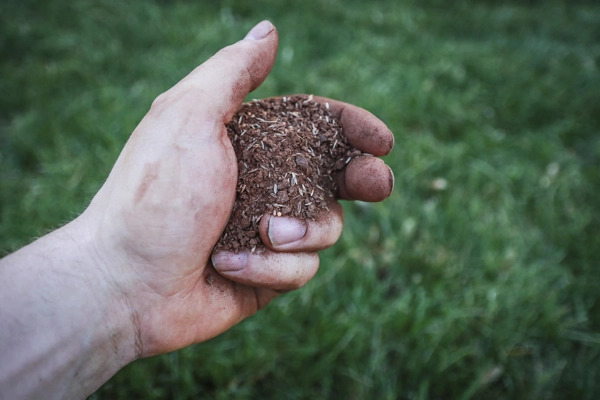
Organic mulch comes from natural sources like bark, leaves, or grass clippings. It has several benefits that make it a popular choice among gardeners. As organic mulch breaks down, it adds nutrients to the soil, improving its fertility over time. This type of mulch also helps retain soil moisture and regulate temperature, providing a stable environment for plants.
Understanding Inorganic Mulch
Inorganic mulch refers to materials such as stones, rubber chips, or landscape fabric. These materials do not decompose, so they don’t improve soil quality. However, they are excellent at retaining heat and moisture, reducing the need for frequent watering. Additionally, inorganic mulching can help prevent weeds by blocking sunlight from reaching weed seeds.
Pros and Cons of Organic Options
Organic mulch offers several advantages:
- Nutrient enrichment as it decomposes
- Improved soil structure and aeration
- Natural pest control through beneficial organisms
However, there are some downsides. Organic mulch requires regular replacement since it decomposes over time. Some types may attract pests or harbor diseases if not properly managed.
Advantages and Disadvantages of Inorganic Choices
Inorganic mulch provides:
- Long-lasting coverage without frequent replacement
- Minimal maintenance once installed
- Effective weed suppression with proper application
On the flip side, inorganic options do not add nutrients to the soil. They can also raise soil temperatures significantly, potentially stressing certain plant species.
Factors to Consider When Choosing Mulch
When deciding between organic and inorganic mulch, consider these factors:
- Your local climate and weather patterns
- The specific needs of your plants
- Your budget for initial installation and ongoing maintenance
- The desired aesthetic appeal of your garden
- The ecological impact of your choice on the local environment
Selecting the right mulch depends largely on these personal and environmental considerations.
Caring for Your Mulched Garden
No matter which type you choose, proper care is vital for maintaining healthy plants. Regularly check for signs of compaction or excess moisture retention. With inorganic materials, ensure they’re adequately anchored to prevent displacement by wind or rain. For organic options, monitor decomposition rates and replenish as necessary to maintain effective coverage.
Conclusion: Making the Right Choice for Your Garden
Both organic and inorganic mulches have their place in landscaping. The key is understanding how each type aligns with your gardening goals. At New Creation Landscaping LLC, we specialize in helping clients make informed choices based on their unique needs. Whether you’re located in Carpentersville, IL or beyond, our team is ready to assist with all your landscaping projects. Contact us at (224) 351-5227 to start enhancing your garden today.